Cookie settings
We save your cookie preference so this notice does not reappear. This site does not set advertising or analytics cookies. You can accept, reject or read our privacy policy.
Interawards does not publish a partner roster. The program is run as an open entry platform: independent studios, in-house teams and students submit work directly, and the review is carried out by a rotating jury of practicing designers. No company names, logos or endorsements appear on this page because none are confirmed in the program's records.
Entries arrive from studios and individuals rather than through partner channels. Anyone working in graphic design, packaging, motion, type design or digital craft can submit before the next cutoff.
Scoring is handled by practicing designers who rotate between cycles. The panel is not sponsored or appointed by outside organizations, which keeps the criteria argued fresh each year.
Shortlisted work, jury notes, category rationale and credits are published each cycle. The archive is searchable and readable without a login, so the record stands on its own.
If a collaboration is not confirmed in the program's own records, it is not shown here. This page stays empty of logos and claims rather than filling the space with names that cannot be verified.
Questions about the program, categories or the review stages go to support@interawards.com or +54 11 5386-7385.
Interawards began as a working archive before it became a program. The first question was never how to hand out trophies. It was how to keep shortlisted design work readable years after the cycle closed, without a login wall or a scrolling feed that buries everything by lunchtime.
That question shaped the whole editorial system. Work is photographed straight-on, no staging, no lifestyle props, no angled hero shot that flatters the mockup more than the design. A warm off-white paper tone carries the page. Ink black handles the reading. One signal orange marks what matters: a category label, a credit line, a note that the jury wanted on the record.
Type does two jobs here. A grotesque sans runs the headings and the interface, because it stays legible at small sizes and does not compete with the work. A quiet serif takes the captions, the jury notes and the category rationale, where the reading is slower and the tone should be too. The grid stays generous on purpose. Each shortlisted piece gets room to be seen at the size it deserves.
No lifestyle context, no staged desk. A shortlisted piece is shown the way it was made to be judged, so the craft reads first and the styling never gets in the way.
Jury notes, category rationale and credits sit next to the work, not behind a paywall. The reasoning is part of the record, and the record is meant to be read.
Warm paper, ink black, and a single orange that earns its place. Restraint keeps the focus on the letterforms, the packaging, the frame, the cut.
A grotesque sans for headings and interface, a quiet serif for captions. The pairing keeps browsing fast and reading considered at the same time.
There is no dashboard, no saved comparison, no account to keep. Search the archive, read the notes, review the categories, and move on when you are done.
Studios in Buenos Aires, Santo Domingo and elsewhere use the archive to benchmark work across cycles. The layout is designed for that second and third visit, not just the first scroll.
Interawards runs one cycle a year and keeps everything it produces open. Independent studios, in-house teams and students send work across graphic design, packaging, motion, type design and digital craft. Every entry passes a technical check first, then goes to a rotating jury of practicing designers. What comes out the other side is a searchable shortlist with jury notes, category rationale and credits attached to each piece.
The platform is used by studios in Buenos Aires, Santo Domingo and further out to see where the bar sits and to keep a record of what they have submitted. There is no account to create and nothing to save. You read the archive, review the categories, and send a project before the next cutoff.
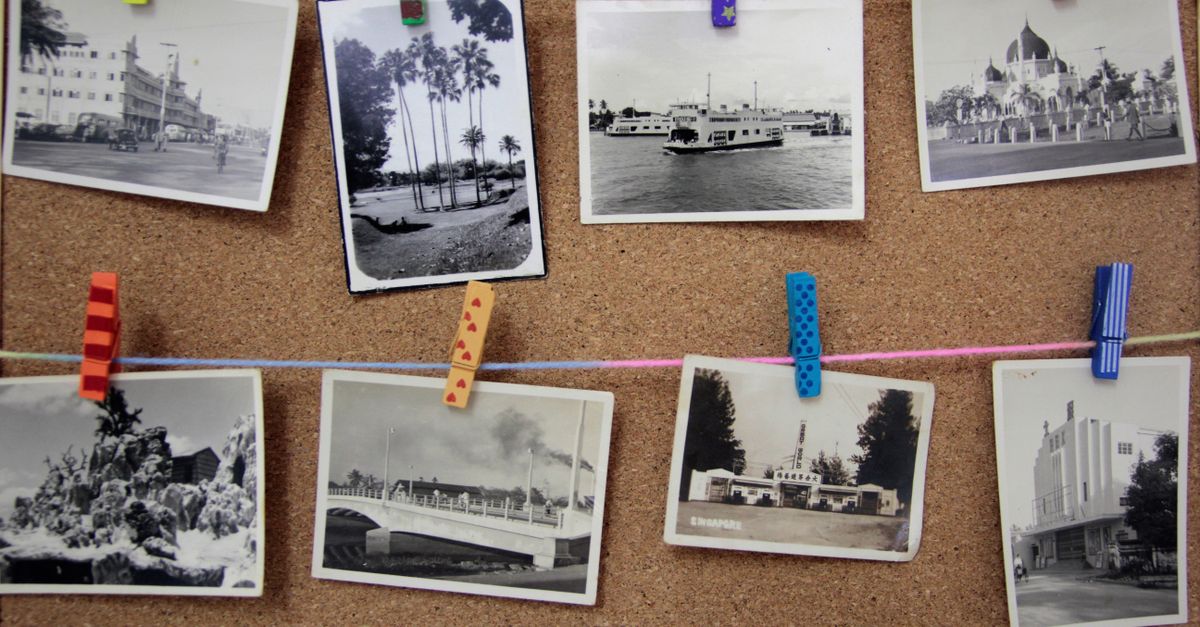
Shortlisted pieces are shown straight-on, each with its jury note and category rationale alongside.
Studios, in-house teams and students submit through the same platform, no invitation needed.
A technical check on file specs, category fit and rights clearance, then scoring by the jury.
Practicing designers score each cycle, so the panel and its arguments change from year to year.
Shortlists, jury notes, a deadline calendar and a small printed annual come out of every cycle.